
In today’s wellness-focused world, people are increasingly looking for ways to understand their health beyond routine tests. One such advanced assessment gaining attention is Live Blood Analysis, a method that allows real-time observation of blood cells in their natural state.
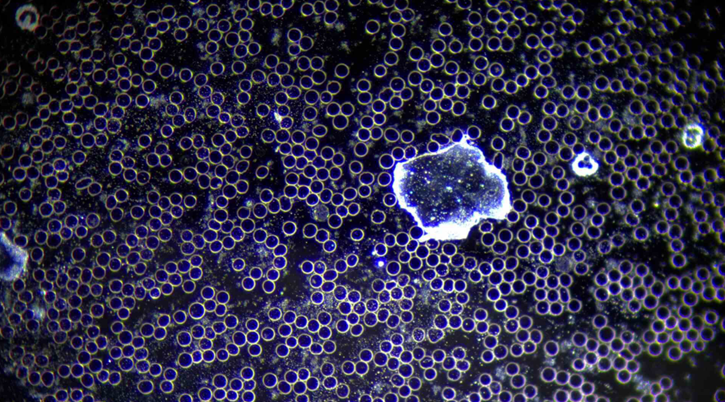
At integrative wellness centres like Nulife Wellness Centre, this assessment is used as a supportive tool to provide insights into your internal environment and overall well-being.
What is Live Blood Analysis?
Live Blood Analysis is a wellness assessment that involves placing a fresh drop of blood under a dark-field microscope. Unlike conventional tests, this method allows practitioners to observe blood cells while they are still alive.
This helps in studying:
- Red blood cells (RBCs)
- White blood cells (WBCs)
- Platelets
- Plasma quality
- Cell movement and interaction patterns
The goal is to understand how lifestyle, hydration, and nutrition may be influencing your body.
Why is Live Blood Analysis Done?
This assessment provides valuable wellness insights, including:
- Hydration status
- Nutritional balance
- Oxidative stress levels
- Circulation patterns
- Lifestyle influences on health
It is important to note that Live Blood Analysis is not a diagnostic test. Instead, it acts as an educational and preventive wellness tool.
Real-Time Observations from Live Blood Analysis
Below are some common patterns observed during Live Blood Analysis, based on the images provided.
Symplast Formation


In this pattern, red blood cells appear clustered together instead of flowing freely.
What it may indicate:
- Possible dehydration
- Reduced circulation efficiency
- Need for lifestyle and hydration support
Rouleaux Formation


Here, red blood cells are stacked like coins, forming a rouleaux pattern.
What it may indicate:
- Dehydration
- Dietary imbalances
- Increased protein concentration in blood
Presence of Chylomicrons (Fat Particles)


Fat particles are visible in the plasma even in a fasting sample.
What it may indicate:
- Inefficient fat metabolism
- Need for dietary evaluation
- Possible digestive imbalance
Protein Linkage


Fine strands appear connecting blood cells.
What it may indicate:
- Hydration imbalance
- Digestive inefficiency
- Metabolic stress
What Do These Patterns Mean for Your Health?
These observations are not diagnoses but indicators of your body’s internal environment.
They may suggest:
Digestive & Gut Health Imbalance
When digestion is not optimal:
- Nutrient absorption may be affected
- Waste elimination may slow down
- Gut health may require support
Lifestyle Factors
Your blood can reflect:
- Hydration levels
- Diet quality
- Stress levels
- Physical activity
How to Support Better Blood Health
Based on Live Blood Analysis insights, simple lifestyle changes can make a difference:
- Stay well hydrated
- Follow a balanced, nutrient-rich diet
- Include fiber for gut health
- Engage in regular physical activity
- Support healthy digestion and elimination
These steps contribute to better circulation, improved energy, and overall wellness.
Important Guidelines Before the Test
For accurate observation:
- The test should be done in a fasting state
- Only water intake is allowed before the test
This ensures clearer and more meaningful insights during analysis.
Is Live Blood Analysis Right for You?
This assessment is ideal for individuals who:
- Want to understand their health proactively
- Are focusing on preventive wellness
- Wish to improve lifestyle and nutrition
- Are exploring integrative health approaches
Live Blood Analysis offers a unique window into your body’s internal environment. By observing blood cells in real time, it provides valuable insights into hydration, nutrition, and overall wellness.
At Nulife Wellness Centre, this assessment is used as part of a broader approach to help individuals make informed lifestyle choices and improve their quality of life. You can take this test in our clinic at Chennai, Pollachi and Tenkasi.
Disclaimer
Live Blood Analysis is a wellness assessment tool and is not intended to diagnose, treat, or replace medical investigations or treatments. Always consult a qualified healthcare professional for medical concerns.